Senate Infrastructure: 73-25 Vote Advances Baaja Bill
The Bipartisan American Affordability and Jobs Act clears a procedural hurdle in the Senate, setting the stage for a final vote before the new Congress convenes in January.
By Ariana Flores ·
The U.S. Senate advanced the Bipartisan American Affordability and Jobs Act (Baaja) on Monday, moving one step closer to a final vote on a bill that would expedite federal permitting for major infrastructure projects. The measure, which spans 417 pages, aims to streamline the construction of assets ranging from interstate gas pipelines to clean energy transmission lines.
The legislative push began in late September when the bill was introduced by two Republican and two Democratic senators. By early November, the text faced intense scrutiny from environmental groups and tribal leaders. On Friday, Indigenous organizations held a press conference to rally opposition, while the American Petroleum Institute lobbied for a swift passage to support new pipeline projects. President Donald Trump publicly urged all senators to support the legislation during this final stretch of the current congressional session.
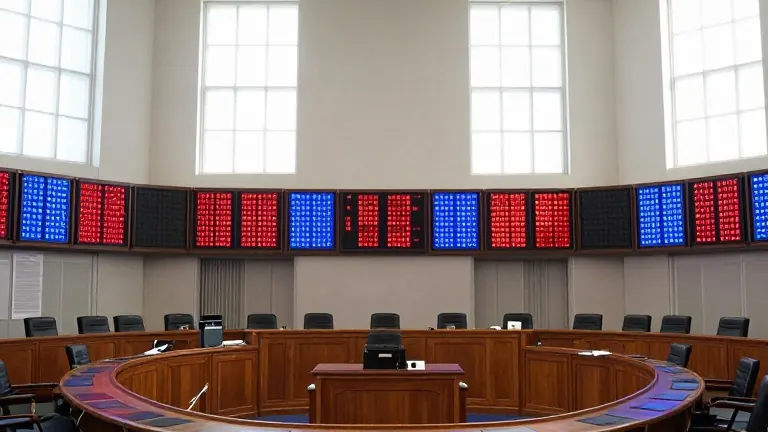
On Monday, the Senate voted 73 to 25 to invoke cloture, which formally opens debate on the measure. This procedural win does not pass the bill but clears the path for amendments and a final floor vote. Proponents argue the timeline is tight because Democrats elected in the recent midterm elections will not take their seats until January, giving the current chamber a narrow window to send the bill to the House.
The bill’s sponsors, Senators Martin Heinrich and Sheldon Whitehouse, stated they have secured the necessary votes for passage. Heinrich argued that the measure creates a competitive market where lower costs drive clean energy adoption. Whitehouse suggested that passing Baaja now would position Democrats to implement further clean energy policies once they hold majorities in both chambers next year.
Critics, including the Sierra Club, Earthjustice, and the ACLU, warn the legislation weakens key environmental protections. The bill narrows the scope of the National Environmental Policy Act and limits the legal standing of individuals to sue for non-compliance. Earthjustice Action president Abbie Dillen described the measure as a major overhaul of environmental law, noting that it could accelerate the construction of gas pipelines and immigration detention facilities.
The next step is a final vote in the Senate. If the bill passes, it will move to the House for consideration before the new Congress convenes. Lawmakers must decide whether to approve the permitting reforms before the leadership transition takes place in January.
House minority leader Hakeem Jeffries, who is expected to become the next speaker, has signaled that his caucus will review the bill carefully rather than approving it without debate. This dynamic adds a layer of uncertainty to the final stages of the legislative process.