UCLA Opens Native Student Center in Campbell Hall
The new facility aims to reduce isolation for the less than 1 percent of the student body who identify as Native or Indigenous.
By David Marshall ·
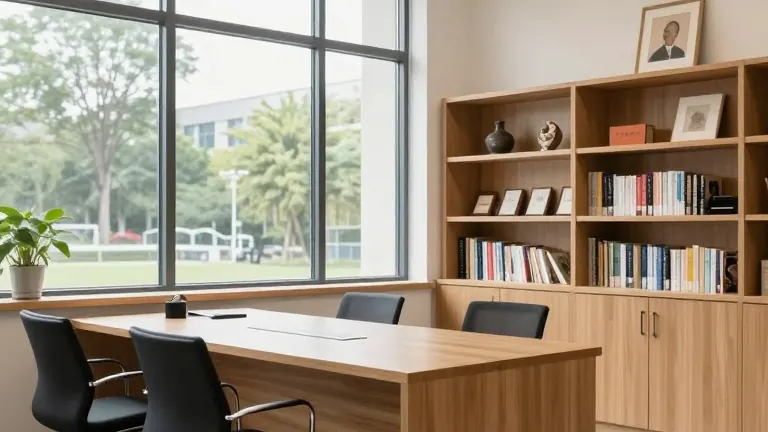
Undergraduate and graduate students at UCLA who identify as Native American or Indigenous have a new dedicated space on campus. The Native American and Indigenous Student Success Center opened this fall in Room 3201 of Campbell Hall. It provides a physical location for academic support, peer mentoring, and wellness programs. This is the first permanent, dedicated facility for this specific student demographic at the university.
Joshua Thunder Little serves as the center’s inaugural director. Little is an enrolled member of the Oglala Lakota Nation and also has Gabrielino/Tongva ancestry. He spent the last decade working with Native youth and students. His previous roles included helping to build the first Native Indigenous Resource Center at Pomona College and working with student programs at UC Riverside and Sherman Indian High School. He grew up in Palm Springs, California.
Little describes the center as a resource hub based on the Tongva/Gabrielino concept of kuuyam, which means guest. The goal is to create a home for students on campus. He notes that Native students make up less than 1 percent of UCLA’s total enrollment. He says this small number often leads to feelings of isolation. The center aims to counter that by fostering a sense of community and providing a space where students can connect with mentors and each other.
The new facility builds on existing student organizations. Groups such as the American Indian Student Association and the American Indian Science and Engineering Society have operated on campus for years. Student-led recruitment efforts also date back to the 1990s. Little says the center will strengthen these historical efforts. It will ground them more firmly in the local Indigenous history of the area.
Little has outlined specific metrics for determining the center’s success. He plans to measure student joy and happiness as a primary data point. He believes students are human first and that their enjoyment of college is a valid indicator of support. He will also track academic performance and how well students connect classroom theory to their tribal communities. Additionally, he will monitor postgraduate outcomes to see how students apply skills in the workforce.
Little emphasizes that there is no one-size-fits-all solution for supporting Native students. Each student faces unique challenges. He encourages the broader campus community to engage with Native students and attend their events. He notes that understanding the history of Native people is essential for building good relationships. The center’s location in Campbell Hall places it within the college of liberal arts, where Little previously studied history.
The opening of the center is part of the UCLA Native American and Pacific Islander Bruins Rising Initiative. This initiative has been a key focus of the university chancellor’s office. The collaboration involved Native students, faculty, and staff over several years. Little sees his role as a continuation of work that began long before his arrival at UCLA. He points to his early education in California, where he noticed a lack of Indigenous perspectives in school curricula, as the start of his commitment to this field.