Celebrities damage vintage fashion
High-profile wearers have altered archival garments intended for museum preservation.
By James Foster ·
Kim Kardashian’s performance at the Met Gala resulted in physical damage to a garment first worn by Marilyn Monroe in 1962. The specific item was the dress Monroe wore to sing “Happy Birthday” to President John F. Kennedy. Reports indicate the fabric suffered irreparable damage because it did not fit Kardashian’s frame during her appearance on the red carpet.
The incident has drawn attention to how current celebrities interact with archived couture. Museums and fashion historians view these pieces as historical artifacts. When modern stars wear them, the garments often face stretching, tearing, or soiling. These changes remove the items from their original state and complicate future preservation efforts.
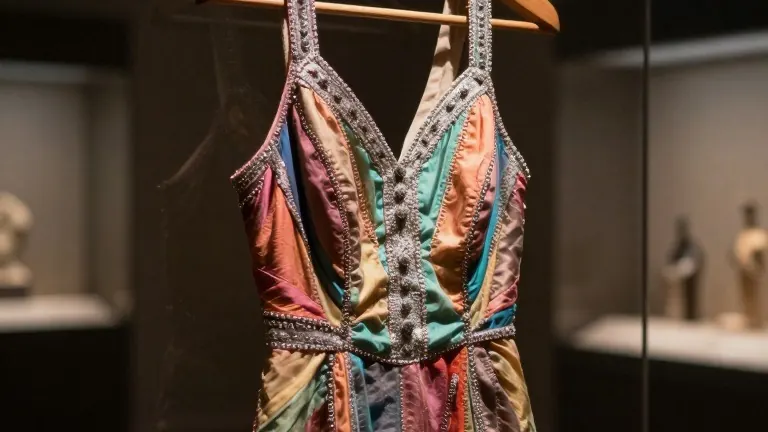
Sabrina Carpenter recently wore a 1975 dress designed by Bob Mackie to a VMAs afterparty. The garment features a halter neck, silver embellishments, and a multicolored strappy design. It was originally fitted for Cher, who wore the piece during the 1970s. Carpenter, who stands five feet two inches tall, wore the garment in the 2020s, altering its historical context and physical condition.
Archival clothing serves as a physical record of specific fashion eras. The 1970s are defined by flowing disco fabrics and specific pant lengths. The 1980s are associated with maximalist styles and designers like Versace. The 1990s shifted toward the minimalist silhouettes popularized by Calvin Klein. Each decade has distinct visual markers that these garments help define for the public.
Fashion designers often wait years for international celebrities to debut their new collections. Many current stars continue to select pieces from past decades rather than wearing contemporary designs. This trend keeps the spotlight on historical figures like Cher and Monroe, rather than on designers working today.
Critics argue that celebrity wearers should leave iconic pieces in museums where they can be displayed properly. They suggest that fans and fashion enthusiasts should visit galleries in New York City, London, and Milan to see these garments. This approach allows the clothes to remain associated with their original owners while new designers gain the exposure they need.
The debate centers on the balance between public visibility and artifact preservation. Garments like the Christian Dior pieces from the 1990s are often cited as examples of items that should remain in controlled environments. Designers and curators hope that the 2020s will establish its own distinct fashion identity separate from the archival trends of previous decades.
More Culture · San Antonio news · Report a business · Got a Story?