Atacama Desert hosts massive pile of discarded fast fashion clothing
The largest known collection of textile waste in the world has formed in northern Chile due to global trends in cheap, trendy apparel.
By David Marshall ·
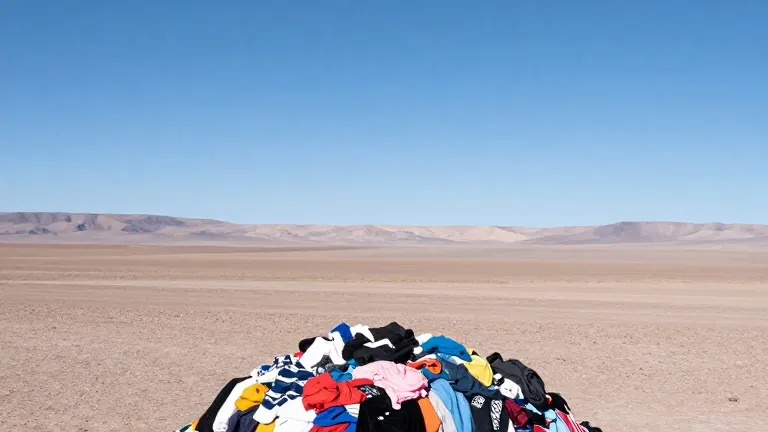
A mountain of discarded clothing now dominates the landscape of the Atacama Desert in northern Chile. The pile is so large that it is visible from space and has been nicknamed “The Great Fashion Garbage Patch.” This accumulation of textiles sits within one of the driest nonpolar environments on Earth, alongside native wildlife including vicuñas, culpeo foxes, and three species of flamingos.
The waste results from the fast fashion industry, which produces trendy, low-cost garments for mass consumption. The term “fast fashion” was introduced by The New York Times and gained mainstream popularity in the 1990s when Zara opened its first store in New York City. At that time, the retailer set a goal to sell garments within 15 days of production. Today, social media platforms like TikTok and Instagram accelerate this cycle by encouraging users to buy clothes before a current style fades.
The environmental impact of this production model extends beyond the point of purchase. Manufacturing these clothes requires excessive water and emits dangerous levels of carbon. Writer Rashmila Maiti notes that companies use cheap, nonbiodegradable materials like polyester to respond instantly to shifting consumer demands. This rapid production and consumption cycle generates massive amounts of textile waste that often ends up in landfills or dumps such as the Atacama Desert.
Synthetic materials complicate the cleanup process because they take decades to break down. These unnatural fabrics remain in the environment for prolonged periods while their production relies heavily on fossil fuels, contributing to greenhouse gas emissions. The Atacama pile serves as a physical record of this overproduction and the ecological costs associated with keeping up with fleeting trends.
Consumers can reduce the volume of waste entering the environment by changing how they produce, purchase, and discard clothing. Garment reuse, extending the longevity of items, and buying secondhand clothing are all methods that help lower the impact of the fast fashion system. These actions address the excess consumerism that drives the need for constant new production.
More News · San Antonio news · Report a business · Got a Story?