Ukraine Defense: Washington clears $2.1 billion Patriot missile deal
The State Department approved the sale of 500 interceptor missiles to Kyiv, with costs covered by allied contributions and EU loans.
By Ariana Flores ·
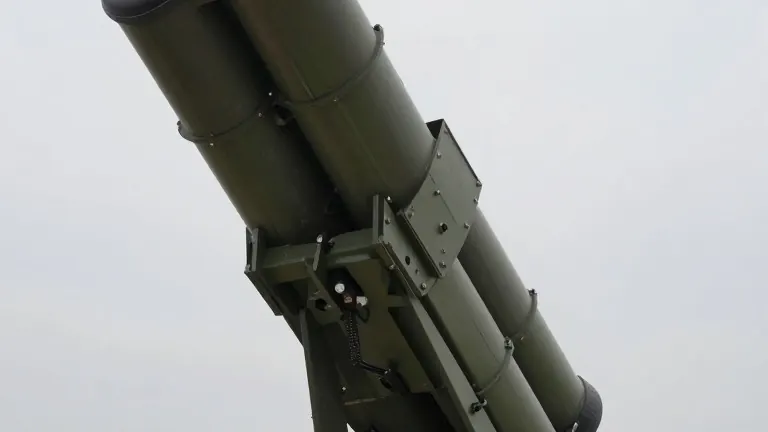
The US State Department announced on Friday that it had cleared the sale of 500 Patriot PAC-3 interceptor missiles to Ukraine. The estimated value of the transaction is $2.1 billion. Officials described the move as a major step in supplying defensive weapons to Kyiv since the current US administration took office.
Ukraine will finance the purchase through a combination of funding sources. Contributions from Canada, Germany, and Norway will flow through a program called US JUMPSTART. Additional national funds will come from the European Union's Ukraine Support Loan, according to the State Department.
The JUMPSTART program utilizes donations from allied nations to procure weapons, services, and training for Ukraine. This mechanism supports the country's self-defense efforts following the Russian invasion. In August, the program facilitated the purchase of 3,350 air-launched cruise missiles worth $825 million from manufacturers Zone 5 Technologies and CoAspire.
Ukrainian President Volodymyr Zelensky stated earlier in the week that Kyiv had waited nearly a month for Washington to sign off on these critical missile supplies. This delay occurred while Russia intensified attacks on energy infrastructure and civilian targets. On Thursday, a Russian drone strike killed at least 14 people at a rail platform in Dnipro. Five additional people died in daytime strikes on two other cities, and one person was killed in a late-evening missile attack on Kyiv.
Lockheed Martin serves as the principal contractor for the Patriot interceptor sale. The US Army awarded the company a contract in July worth up to $58.6 billion to produce the missiles. Under this agreement, Lockheed aims to triple its PAC-3 MSE production capacity by the end of 2030. The company plans to increase employment at its Camden, Arkansas, plant by 50%, raising the workforce from 1,200 to approximately 1,850.
Pentagon negotiators are currently pressing contractors to accelerate production timelines. Tentative agreements struck earlier this year are central to these efforts to boost missile output. While weapons sales often take years to fulfill, the urgent need for defensive systems may result in a faster delivery schedule for these specific interceptors.