Consumer confidence climbs to 91.7 as gas prices dip
The index rose 7.5 points in October, though inflation remains above pre-war levels with midterms approaching.
By Yara Nasser ·
The Conference Board reported that its consumer confidence index rose by 7.5 points in October, reaching 91.7. This increase follows a sharp drop in September, when the index fell to 84.2. That September figure marked the lowest reading in the survey since April 2014 and stood below the lowest level recorded during the pandemic.
The survey data was collected between October 1 and 21. Respondents reported improved views on their current economic situation, a measure that rose 6.9 points to 72.6. Their outlook for the coming months also improved, climbing 8.6 points to 120.4. Despite these gains, Fergus McCormick, a senior economist at The Conference Board, noted that the recovery aligned with a drop in retail gas prices from September to October.
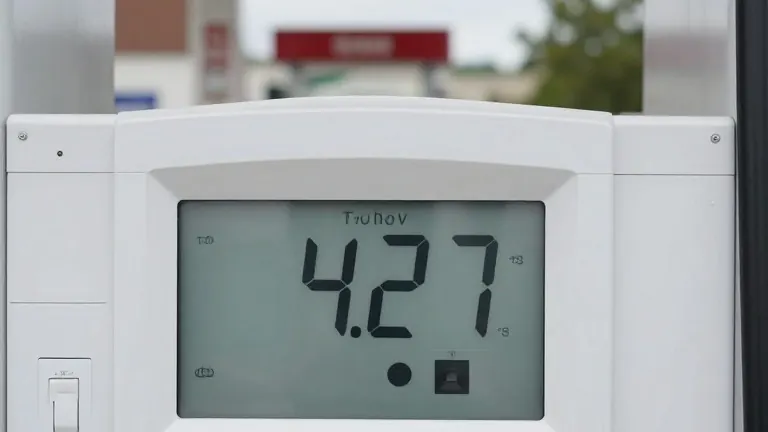
McCormick added that despite the October increase, consumer confidence remained on a long-term downward trend that has persisted in recent years. The average price for a gallon of regular gasoline in the United States was $4.27 on Tuesday, according to AAA. This figure is down from $4.48 a month earlier but remains well above the $3.05 average recorded at this time last year.
Inflation continues to present challenges for the economy. The Department of Labor reported that the consumer price index rose 3.7% in September compared to the same period a year ago. This represents an acceleration from the 3.4% increase seen in August. Monthly costs also rose 0.6% from August to September, the largest monthly jump in five months.
The Federal Reserve raised its benchmark interest rate for the first time since 2023 six weeks ago. This increase of a quarter of a point brought the key rate to approximately 3.9%. The central bank indicated it could raise rates again later this year, although few analysts expect a change at this week's meeting. Higher rates can lead to increased borrowing costs for mortgages, auto loans, and credit cards.
The Federal Reserve’s preferred inflation gauge, the personal consumption expenditures price index, showed a 3.4% year-over-year increase in August. This is lower than the 3.7% rise in July but higher than the 2.8% rate recorded before the war with Iran began on February 28. The index was at 2.5% when President Donald Trump took office in January 2025. The government is scheduled to release September PCE data on Thursday.
Presidential candidate Donald Trump has blamed his Democratic predecessor, Joe Biden, for high prices, even though inflation has risen since his inauguration last year. The midterm elections, which are heavily focused on affordability, are scheduled for two weeks from now. Written responses from the Conference Board survey continued to reflect pessimism, with frequent references to the high cost of energy, goods, and services.
Source: KVDA · original report published
More Business · San Antonio news · Scam Watch · Report a business · Got a Story?