Trade Students in New Hampshire: Choosing Stability Over Political Hopes
Students at Manchester Community College and NHTI prioritize vocational training and personal security as Election Day nears.
By James Foster ·
Quinn Melendez is studying to be an orthopedic technician at New Hampshire Technical Institute in Concord. He chose the program because the job market for his field is strong and growing. Melendez views his path as a practical trade-off, offering high pay for a shorter period of schooling. He plans to enter the workforce quickly to secure his own financial footing before considering family responsibilities. He does not expect politicians to advocate specifically for workers in his position, but he trusts his peers and local community more.
Sue Williams, a liberal arts student at the same institution, aims to become a librarian and community organizer. She and Melendez both intend to vote, even if the candidates are imperfect. Williams compares the current political options to choosing between a harmless rock and a damaging figure. She prefers the option that avoids actively eroding institutions, even if it does not improve conditions significantly.
Sam Howe is an automated manufacturing student at Manchester Community College. His primary concern regarding the political climate is housing affordability. He wants to know if he will be able to buy a home after graduation. Howe values his trade training because it allows him to perform home repairs independently. He estimates that he can fix almost anything inside a standard house, a skill he believes will save him money in the future.
Liv Hassapes arrived at Manchester Community College after leaving a four-year university. She had no prior welding experience but decided to continue in the trade after her first classes. She hopes for more government programs that help students complete their degrees. She believes many politicians do not pay enough attention to the education system.
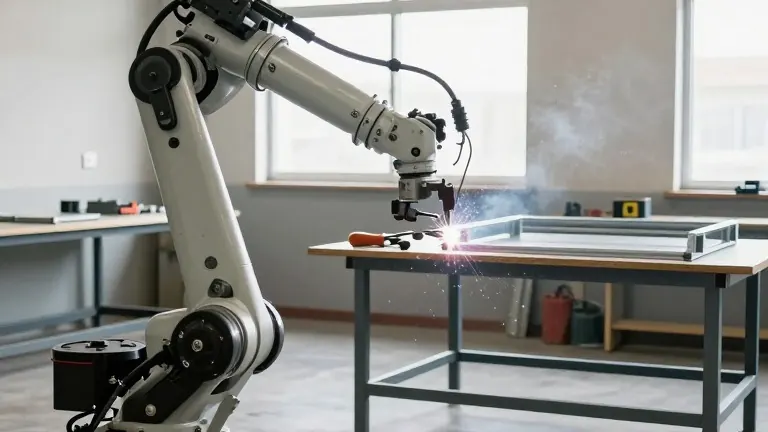
Henry Niemann is also a welding student at the college. He entered the field after building wild hog traps in Alabama. Niemann is interested in the future of automation in his trade. He works with a robotic welding unit at the school. He envisions a workplace where robotic arms perform welding tasks and sees his role as one of the people who made that technology possible.
The students at these two institutions are planning their careers with an eye on immediate stability. They are focusing on acquiring specific skills that provide job security and personal independence. Their decisions reflect a desire for control over their financial futures in an uncertain economic environment.