Rare Japanese tea masters hand-roll leaves in San Antonio this weekend
Artisans from Shizuoka will demonstrate the 300-year-old Temomi craft at the Japanese Tea Garden on Saturday to mark the venue's centennial.
By James Foster ·
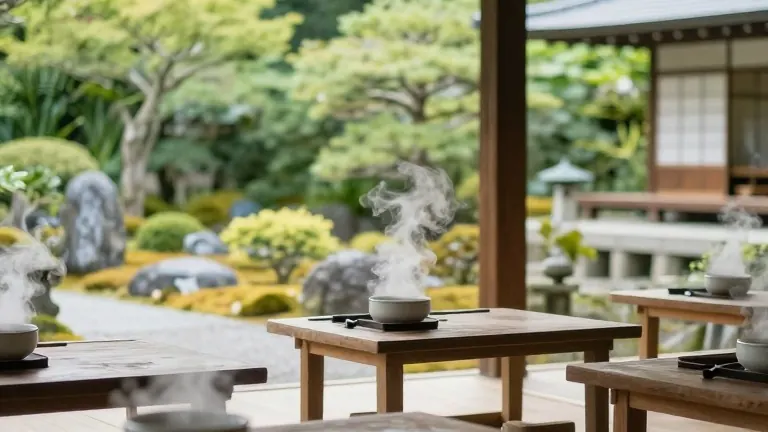
Fewer than one in 10,000 people in Japan have ever seen or tasted Temomi tea, yet San Antonio residents will have the chance to observe the process live this Saturday. The demonstration brings master artisans to the city to showcase a hand-rolling technique that has remained largely unchanged for three centuries.
The event is scheduled for Nov. 14, from 10 a.m. to 1 p.m., at the Japanese Tea Garden located at 3853 St. Mary's St. It coincides with the garden's 100th anniversary, a milestone organizers say underscores the long-standing cultural ties between San Antonio and Japan.
Temomi is a traditional method of processing tea leaves that relies entirely on human hands rather than modern machinery. Artisans knead, roll, and shape the leaves over heated tables, a process that demands precision and years of practice. According to Diana Peña, chair of the U.S. Temomi Preservation Society, the resulting tea is highly prized. She noted that the tea is served to the Emperor of Japan during ceremonial harvests and can fetch between $10,000 and $15,000 per kilogram at auction.
The visiting group comes from Shizuoka, the largest tea-producing region in Japan. The delegation includes Jin Arai, vice president of the Shizuoka Prefectural Tea Hand-rolling Preservation Association, and Temomi grandmaster Takeshi Suzuki. Also present are masters Takanori Otsuka and Emi Yoshida, one of the few women to hold master status, along with Bret Mayer, a Temomi master serving as the group's official interpreter.
The group is on a Texas tour designed to preserve traditional craftsmanship and encourage cultural exchange. Peña, who also founded Present Tea, said the visit allows visitors to experience a tradition that is increasingly rare even in its country of origin. The artisans will work with the leaves in full view of the audience, allowing participants to witness the physical transformation of the product.
Peña explained that visitors who remain until the end of the demonstration will be invited to touch the tea. They will be able to feel the texture and smell the aroma of the handcrafted leaves. This direct interaction is intended to highlight the difference between mechanical production and the traditional hand-rolled method.
The history of tea in the Shizuoka region dates back to the Tokugawa shogunate. Tokugawa Ieyasu, the founder and first shogun of that era, championed the region's tea due to its geographic advantages. Peña said Ieyasu valued the high-altitude, misty air of the area, which he believed protected the leaves and contributed to their rich flavor profile.
The demonstration is free and open to the public at the garden's main pavilion. The garden will also host a community and cultural day from 10 a.m. to 5 p.m. on Saturday. The schedule includes an artisan market, cultural activities, and tea tastings. Peña said the artisans are eager to learn about local history and build connections through the shared tradition of tea.
More Culture · San Antonio news · Report a business · Got a Story?