Downtown San Antonio Fashion Stores Defined the 20th Century
Local historians note that Frost Bros. and Joske’s Fur Salon anchored the city’s retail scene before malls expanded into the suburbs.
By Ariana Flores ·
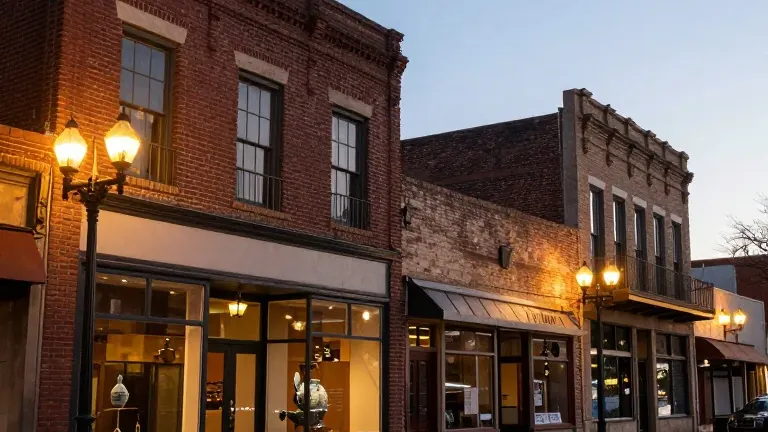
Downtown San Antonio served as the primary hub for fashion in the 20th century. The area hosted the city’s most prominent retail establishments. These shops influenced style choices across the metropolitan area. Residents displayed their attire at social gatherings, dinners, and workplace events held in the city center.
Frost Bros. operated as a major department store in the region. The San Antonio-based business opened its doors in 1917. The store featured a fur salon and employed personal shoppers. It sold high-fashion clothing to local customers. Frost Bros. expanded its footprint over the years. By the time it closed, the chain had 12 locations across the state. The business competed directly with the Dallas chain Neiman Marcus. Frost Bros. ceased operations in 1989.
Joske’s Fur Salon held the title of the city’s largest department store. The building stood five floors high. The structure covered 551,000 square feet of space. The store sold fashion items, furniture, and glassware. It functioned as a social center for the community. During the Christmas season, the store hosted Santa Claus. Joske’s Fur Salon operated for nearly 100 years. It opened in 1888 and closed in 1987.
Shopping patterns shifted as the city expanded outward. Suburban growth moved retail activity away from the downtown core. North Star Mall opened in 1960. The Shops at La Cantera opened later in 2005. These developments changed where residents shopped for goods.
Local fashion trends often mirrored national movements. The Art Deco style influenced the city after World War II. The 1920s brought changes to San Antonio’s commercial spaces. Geometric designs appeared in downtown buildings to match the era’s aesthetic. Women’s hemlines shortened during this period. Lightweight fabrics became popular to handle the local heat. The decade saw increased nightlife and a growing music scene.
Mexican cultural roots remained a constant element in local style. Fiesta traditions showcased specific garments. Attendees wore dresses with flower embroidery. Participants used flower crowns, medals, and sashes. The guayabera, a lightweight button-up shirt often embroidered with flowers, is a distinct local item. Vendors at Fiesta sell these handmade items to buyers.
Westernwear also plays a key role in the city’s fashion history. The style derives from Mexican vaquero traditions. These traditions influenced Texas western fashion broadly. Residents often wear boots, belt buckles, and cowboy hats when going out at night.
The city’s fashion scene evolved through economic shifts and historical events. Mexican cultural influences stayed embedded in local style. Fiesta continues to serve as a venue for cultural expression and fashion display.
More News · San Antonio news · Report a business · Got a Story?