5-inch birds arrive in Florida in October to stay for six months
Painted Buntings winter in the state's south and center, with some nesting along the northeast coast from May to mid-July.
By James Foster ·
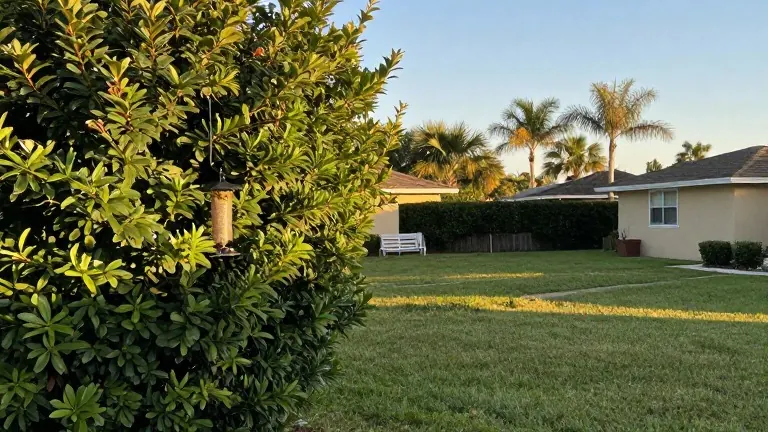
Painted Buntings arrive in Florida in October and stay for about six months.
These birds, which measure five inches long and weigh less than half an ounce, spend the cool seasons in the state before returning north to breed. The eastern population typically arrives from the Panhandle to the Keys. Males often migrate a week before females. The birds usually depart in the first half of April.
The species has a long history in the region. French settlers called the bird nonpareil, a term meaning without equal. The male displays bright colors, including a royal blue head, vivid green back, and cherry red chest. Females wear a bold yellow-green plumage that blends into foliage. Young males start with green feathers and change color over two years. A group of birds remains in northeast Florida to nest. They breed from May to mid-July in coastal scrub and oak hammocks. They build nests in shrubs or small trees, rarely more than six feet off the ground. This group stays in the area from the Georgia border to Cape Canaveral and along the St. Johns River.
Florida serves a unique role for this species. It is the only state where Painted Buntings both nest in summer and winter in large numbers. Texas sees breeders but not large winter flocks. The state provides mild weather and ample seeds. Most wintering birds stay in South and Central Florida. Some travel to Cuba or the Bahamas. The population faces threats from habitat loss and the illegal pet trade. Local actions can help support the birds.
Homeowners can attract these birds with specific food and cover. White proso millet is the preferred seed. The birds also eat black oil sunflower seeds and chips. During nesting, they consume insects such as grasshoppers, beetles, spiders, and snails. Feeders should be tube types or low trays. Placing feeders near the ground and away from cats helps protect the birds. Keeping feeders clean is important because humidity can spoil the seeds. The birds need dense cover to feel safe. Hedgerows, brush piles, and native shrubs provide this cover. Native plants include firebush, beautyberry, wild coffee, and Simpson's stopper. Feeders work best when placed within ten feet of shelter. This allows the birds to move quickly between food and safety. Letting native grass go to seed provides additional food.
Birders can identify the birds by their pale eye-ring and short bill. Males sing a high, quick-changing song in spring. Females are often overlooked because they resemble young males. Blue or red flecks indicate a juvenile male. The birds are shy and prefer dense cover. They are less likely to visit feeders in open areas. Patience is required for birds to discover new feeders. Once they arrive, they often return daily. The season ends in April, after which the birds head north.
Residents can report sightings to groups like eBird. Planting native shrubs and reducing pesticide use supports the local population. Keeping cats indoors also helps. The birds are small and easy to miss. They hide in leafy thickets rather than feeding at open feeders. The colorful males are distinct, but the green females are subtle. The species relies on these small patches of wild space for survival in the state.