40,000 Salmon Lost as Trawlers and Villages Clash in Alaska
Industrial fishing bycatch has emptied smokehouses in the Kuskokwim, turning a local food crisis into the central battleground of the state's tight Senate race.
By James Foster ·
Forty thousand Alaska salmon were scooped up and discarded by pollock trawlers this year. For the industrial fleet, that waste represents a tiny fraction of a massive harvest. For the communities along the Kuskokwim River, the missing fish are the difference between a full pantry and an empty room.
The tension has defined the state's U.S. Senate race. The fight traces back to the physical reality of the river. Evon Waska lives at the water's edge in a village where his parents settled after giving up a nomadic life. His drying racks, which should be heavy with fish, stand empty. Government agencies have closed the river to subsistence fishing to conserve stocks, a move Waska says punishes locals while industrial boats continue to operate miles offshore. "They don't close the trawlers. They close me and my people first," Waska said.
The conflict centers on bycatch. Trawlers tow nets a quarter mile long with openings the width of a football field to catch pollock, a white fish used in imitation crab products. King salmon and other prized species are caught in the process and often thrown away. This practice has drawn the attention of both major candidates in a race that could determine control of the U.S. Senate in Washington, D.C.
Republican incumbent Dan Sullivan has positioned himself as a defender of the industry while pushing new legislation. Sullivan called his proposal "the most comprehensive bycatch legislation ever to reduce bycatch, protect seafloor habitat." However, his Democratic challenger, Mary Peltola, an Indigenous woman from the Kuskokwim, argues the bill is an election year tactic. She stated that Sullivan "reeled in over $300,000 from trawlers and waited until the 11th hour for a half-hearted and half-baked solution." Peltola has pledged to ban factory trawlers, the largest vessels in the pollock fleet.
Industry leaders push back against the narrative that trawlers are the sole cause of the decline. Heather Mann, who leads a trawlers association, argued that eliminating the pollock fishery would have only a minimal impact on salmon runs according to current science. She said scapegoating the industry would not solve the problems facing western Alaska.
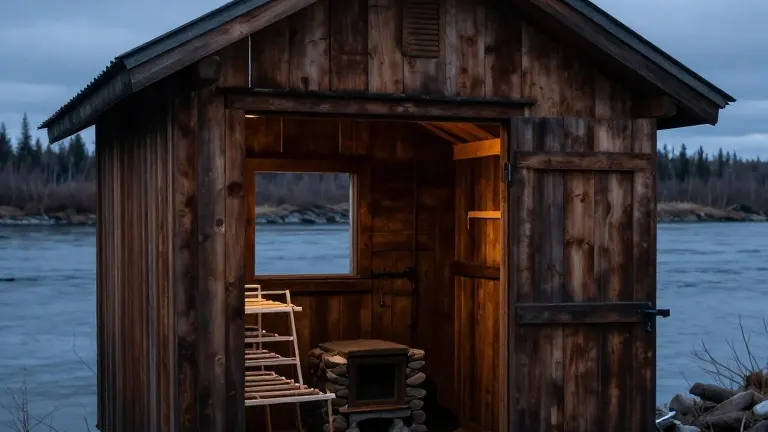
In the village of Kwethluk, the debate feels personal. Tribal president Mary Nikolai visited a neighbor's cold smokehouse that had sat unused all summer. "Most of the smokehouses are like this. And it's like a slow trend of closing our workforce out," she said. The race is expected to remain tight, with candidates continuing to air commercials that feature the fish issue prominently.
The next phase of the campaign involves a series of debates scheduled for early November. Both Sullivan and Peltola plan to use these forums to directly address the bycatch controversy and the financial support each has received from the fishing sector.