Lumipulse: New blood test helps detect Alzheimer's in patients 55 and older
The Lumipulse test detects amyloid plaque in patients over 55, offering an alternative to spinal fluid analysis and brain scans.
By James Foster ·
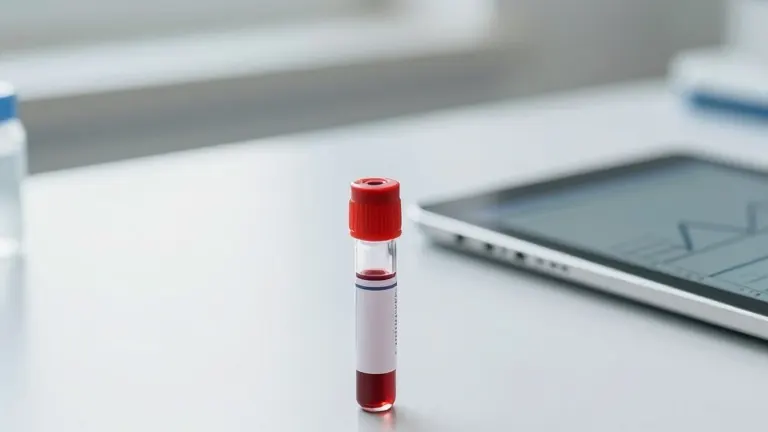
Diagnosing Alzheimer's disease has traditionally required invasive procedures such as spinal fluid taps or brain scans. The Food and Drug Administration has cleared a new blood test that detects amyloid plaque, a key biological marker of the condition. This approval offers patients a less intrusive method for early evaluation.
In May 2025, the agency approved the Lumipulse, the first blood test authorized to aid in Alzheimer's diagnosis. The test is specifically indicated for individuals aged 55 and older who are already experiencing symptoms of cognitive decline. Dr. Rhea Rogers, a board-certified physician and host of the program Aging Untold, described the approval as a major development for that demographic.
Researchers state that a positive result on the Lumipulse indicates a greater than 90 percent chance that amyloid plaque is present in the brain. However, the FDA notes that the test is not a standalone diagnostic tool. Medical professionals must interpret the results alongside a patient's medical history and other assessments, such as cognitive testing.
Kathi Rigby was diagnosed with Alzheimer's disease in 2022. She said the news was like a slap in the face, following a moment during a bike ride with her husband where she struggled to speak. She described the difficulty of getting words from her brain to her mouth. Early detection allowed Rigby to participate in a clinical trial for a drug designed to remove brain plaque.
Her husband, Brent, said that 95 percent of the plaque was removed during the trial. Rigby noted that the treatment made a difference for her, allowing her to maintain a connection with her family. She stated that she wants to be the grandmother her grandchildren know and to ensure they know she loves them.
Dr. Rogers emphasized that identifying the disease earlier allows people and their families to plan for care options. She explained that catching Alzheimer's at an early stage can have a positive impact on a patient's quality of life. The blood test provides a starting point for these conversations without the immediate need for more invasive procedures.