Irish Alumina Shipments Reach Russia
A refinery owned by a sanctioned oligarch sent nearly half a million metric tons of material to Russia in eight months, drawing pressure as European leaders meet in Dublin.
By Yara Nasser ·
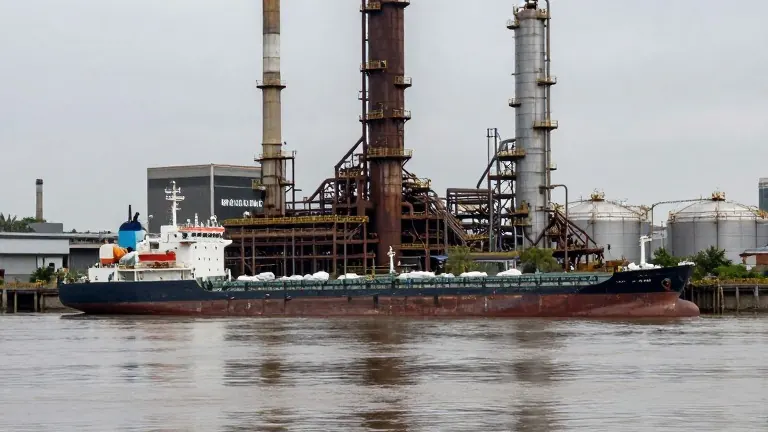
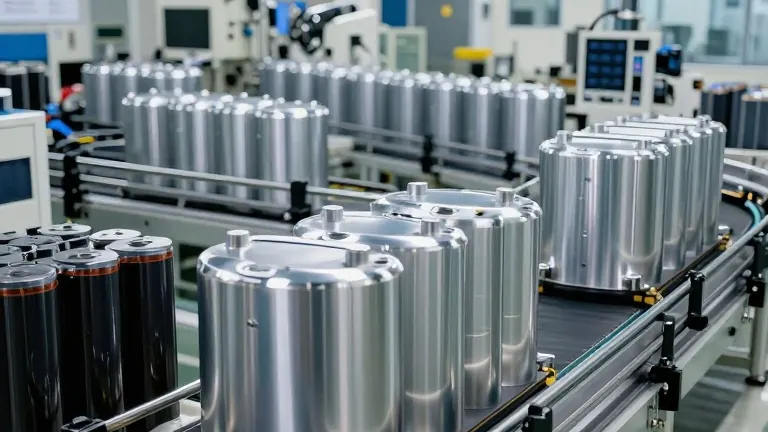
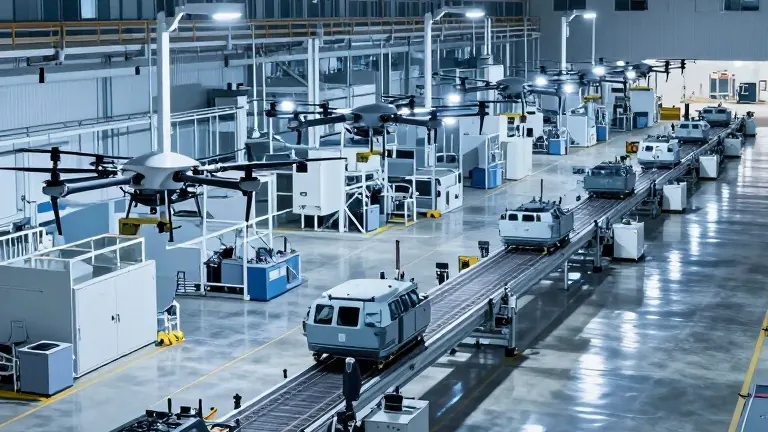
Approximately 491,307 metric tons of alumina were shipped from Ireland to Russia between March and October, according to estimates from the activist group Alumina 22. The cargo departed from the Aughinish refinery in County Limerick, a facility that stands as the largest alumina refinery in Europe. The white powder is a primary ingredient in aluminum, which is used to manufacture everything from consumer goods to missiles and drones.
The refinery is owned by Rusal, a Russian aluminum producer that is part-owned by Oleg Deripaska, a sanctioned oligarch. U.S. and Australian governments state that Rusal produces nearly all of Russia's aluminum. Despite the ownership structure, alumina has not been included in European sanctions intended to weaken the Russian economy. This exclusion allows the plant to continue exporting directly to ports such as St. Petersburg.
The issue gained momentum as Moscow's invasion of Ukraine entered its fifth year. Two major alumina exporters, one in Australia and the other in Ukraine, halted shipments to Russia after the 2022 invasion began. According to a 2026 report by the Economic Security Council of Ukraine, this shift reduced Russian alumina supplies by approximately 40%. Consequently, Ireland now accounts for roughly 17% of Rusal's alumina supply.
An investigation by the Organized Crime and Corruption Reporting Project and the Irish Times found that alumina from Aughinish is smelted in Russia into aluminum. Some of this aluminum is sold to a metals trading company that supplies Russian defense contractors. Olena Yurchenko, director of analytics at the Economic Security Council of Ukraine, stated that there is a high probability the material ends up in Russian military enterprises.
Irish government officials have resisted imposing a ban. Minister Niall Collins told The Associated Press that there is no evidence the material is ending up in military supply chains. However, the government has not published the findings of its internal investigation. Enterprise Minister Peter Burke acknowledged in July that it was impossible to prove Rusal's assertion that the alumina is only used for export aluminum. The Irish government shared its findings with the European Commission, which drafts EU sanctions packages.
European Political Community leaders from 47 nations gathered in Dublin on Thursday to discuss support for Ukraine. This summit is followed by a meeting of European Union leaders. In July, the European Parliament passed a non-binding motion calling for a ban on alumina exports to Russia. The measure was not included in the EU's 21st sanctions package. A European Commission spokesperson described the sanctions policy as a delicate balance between thwarting Russia's war effort and limiting negative impacts on member nations.
David O'Sullivan, the EU sanctions envoy, said last month that he read the government report and believes the investigative journalists were correct. He noted that the alumina goes to smelters in Russia who produce materials that likely reach the military-industrial complex. The European Commission is currently sounding out member nations about the exports. Any new sanctions must be agreed upon unanimously by the bloc's 27 countries.
Local economic concerns complicate the political debate. The Aughinish plant provides hundreds of jobs in the Foynes area. Supporters argue that closing the plant or banning exports would be too disruptive for the local workforce. Retired docker Joe Hanlon in Foynes said the business is too large for the government to close down, though he acknowledged Ireland should stop the trade if it wants to end the war.
Opposition politician Ivana Bacik, who leads the Labour Party, argued that it is unthinkable for Ireland to contribute to the war machine in any indirect way. Her party supports a temporary nationalization of the refinery, a measure similar to the seizure of banks during the 2008 financial crisis. She called for stronger action from other EU countries if the Irish government is unwilling to act unilaterally.
Ukrainian President Volodymyr Zelenskyy addressed the issue in June while standing next to Irish Prime Minister Micheál Martin in Dublin. Zelenskyy noted that companies owned or controlled by Russian oligarchs continue to supply the aggressor with essential materials. Martin agreed that Ireland does not want material from an Irish plant to support the Russian war machine.
More Business · Scam Watch · Report a business · Got a Story?