Iranian universities use clerics and militias to discipline protest students
Disciplinary panels now include religious officials and security forces as authorities target students who joined the January demonstrations.
By David Marshall ·
At least 250 students at Sharif University in Tehran have had their cases reviewed by university administrators this year, according to the campus student union.
The university is one of Iran's most elite institutions, and its student union president Farzad Rahmani told the reformist media outlet Ensaf that 40 of those students have already faced hearings, resulting in the expulsion of 10.
This surge in disciplinary action follows a period of intense unrest. In late December, a currency crash triggered nationwide demonstrations that became the largest protests since the 1979 revolution. Security forces killed thousands and arrested thousands of others during the crackdown.
Campus protests continued until the eve of the war with the United States and Israel, which began on Feb. 28. Former Supreme Leader Ali Khamenei was killed in airstrikes on that date, an event that has become a focal point for student questioning.
Iranian student unions and rights monitors report that scores of university students are facing similar hearings. These proceedings are part of a wider campaign to silence dissent while a U.S. naval blockade and ongoing war worsen the economic crisis.
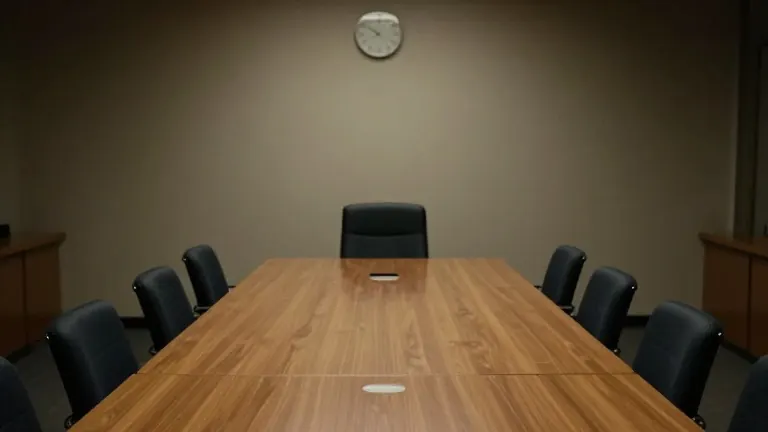
The composition of these disciplinary panels has shifted to include more powerful external figures. A social sciences student who participated in an anti-government protest described facing a panel that included a cleric representing the supreme leader and an anonymous official.
During his hearing, the panel asked him what he felt when Khamenei was killed. The student said the experience placed extraordinary psychological pressure on him, calling it unspeakable.
Gholamhossein Mohseni Ejei, Iran's judiciary chief, stated in February that judicial authorities would prosecute campus crimes if educational leaders failed to control them. Since the summer, universities have resumed calling students into hearings.
Ahmad Alamolhoda, the Friday prayer leader in Mashhad and the supreme leader's provincial representative, warned that campus dissent is a threat to the government. He urged universities to track down offending elements and prepare to deal with them.
The process often involves forcing students to write defenses before they are told the specific charges. At the University of Tehran, the reformist newspaper Shargh reported that at least 10 students were expelled, with similar numbers at Amir Kabir University. AP has not independently verified these specific tallies.
Security forces known as Basij and the campus security agency Harasat frequently sit on these panels. Exiled activist Ali Taghipour noted that their role has become very strong, as they typically identify suspect students and gather evidence against them.
Some students remain defiant. A student union at a Tehran university recently issued a statement on Telegram, claiming that threatening students with expulsion for protesting is a sign of fear rather than strength. Administrators and campus Basij members threatened students who staged a gathering last week.