Houdini Died of a Ruptured Appendix, Not a Magic Trick
New details clarify the medical cause of the magician's death 100 years ago, while modern devotees continue to search for his ghost.
By Yara Nasser ·
100 years have passed since the death of Harry Houdini, yet the specific medical cause of his demise remains a point of public interest. The famous escape artist died in Detroit on Oct. 31, 1926. His body was laid out in the Hamilton Funeral Home, a location that has since vanished from the city landscape. The centennial anniversary has drawn attention to the final days of the performer's life and the persistence of his legend.
Houdini performed in Detroit 19 times between 1894 and 1926. His career trajectory moved from a bottom-of-the-bill act to a global star. He built his reputation by escaping from locked restraints in public view. In 1906, he jumped from the Belle Isle Bridge into the river below while wearing two sets of police handcuffs. Contemporary reports indicate the water was not frozen, contrary to later movie depictions. He emerged without injury, though the story of his survival under ice grew over the decades.
The immediate cause of his death was physical trauma sustained in Montreal just before his Detroit engagement. Houdini invited a college wrestler to punch him in the stomach to test his ability to withstand impact. The wrestler struck him several times before Houdini could tighten his muscles for protection. Dorothy Young, who served as his stage assistant from age 17 until her death in 2011, noted that Houdini had shown her a method to protect himself, but the wrestlers did not allow him the time to prepare.
Jeremy Dimick, a curator at the Detroit Historical Museum, stated that Houdini faced financial pressure to fulfill his contract in Detroit. He performed only one show at the Garrick Theater before collapsing during intermissions. He was carried to Grace Hospital, where doctors diagnosed a ruptured appendix. He underwent two surgeries and died several days later on Halloween.
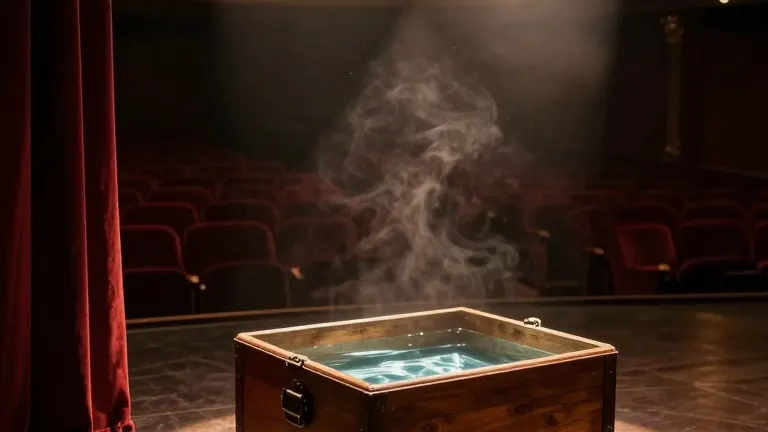
Bess Houdini, the magician's wife, held séances for a decade after his death. She finally ended her search on Halloween, 1936. In a later film cameo, she stated that the lack of a sign from her husband proved his belief that the dead could not return. John Sherwood at the American Museum of Magic in Marshall, Michigan, continues to organize séances using a metal milk can from Houdini's workshop. Participants have placed a lox and bagel sandwich in the can to appeal to his Jewish heritage.
Sherwood is leading another séance on the anniversary date. He believes the centennial provides a strong motivation for Houdini's spirit to appear for showmanship. Previous attempts have not produced a physical manifestation. Conspiracy theories suggest the death certificate was altered or that the wrestler was a hired hitman. No evidence has confirmed these claims.