Beaverton columnist urges readers to treat speech as a visual art form
Pamela Loxley Drake argues that daily conversation functions like a painting, where specific word choices determine the final image.
By David Marshall ·
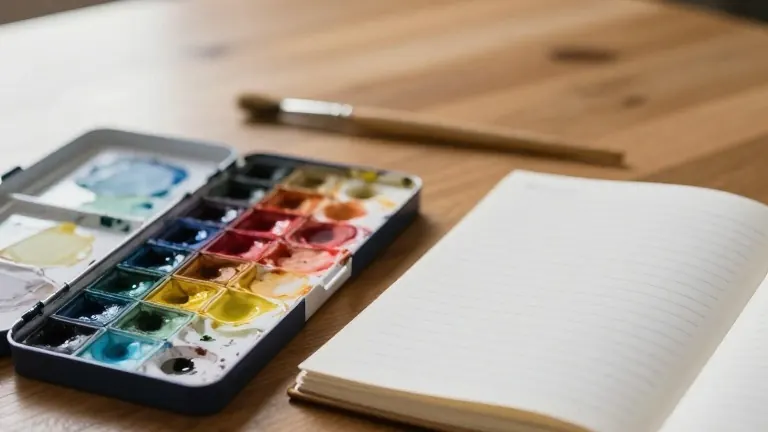
A Beaverton resident is asking neighbors to view their daily speech through the lens of an artist. Pamela Loxley Drake, a self-described lifelong farm girl, argues that people paint their lives with words just as often as they use a physical paintbrush.
Drake posits that language holds the power to alter a person's reality. She states that specific phrases can make a day better or tear it to shreds. She notes that these verbal choices can teach children or damage them. They can build good relationships or tear them apart.
The columnist points to the global variety of languages as evidence of this creative power. She describes all languages as beautiful in their own ways. She argues that people do not need to understand a foreign tongue to feel its impact. The sound of new words sparks curiosity and brings smiles. This exposure expands a person's worldview.
Drake acknowledges that words can also cause pain. She says they can tear families and friendships apart. She describes a scenario where a conversation ends with the paintbrush set aside and paint still on it. She calls this the result of unsaid words, leaving the life canvas unfinished.
She connects specific life events to color choices. A rainbow triggers a flow of lovely words about its colors. A newborn baby causes words to flow like a waterfall. Sadness prompts a desire to paint over pain with lighter shades. These lighter shades call for ease.
Drake positions words as tools for healing, peace, and understanding. She calls them a gift to the world that should be used wisely and lovingly. She contrasts this with cruel words, which she says have no color. She claims the darkness of cruel words seems to spread beyond the canvas. She urges readers to avoid using them.
The columnist wrote the piece because she felt the need to share words that would touch readers. She hoped to open minds and make a difference. She concludes that with all the words people share, they paint a world in living color.